What is credit rating?
- Written by: admin
- Category: Uncategorized
- Published: August 8, 2026
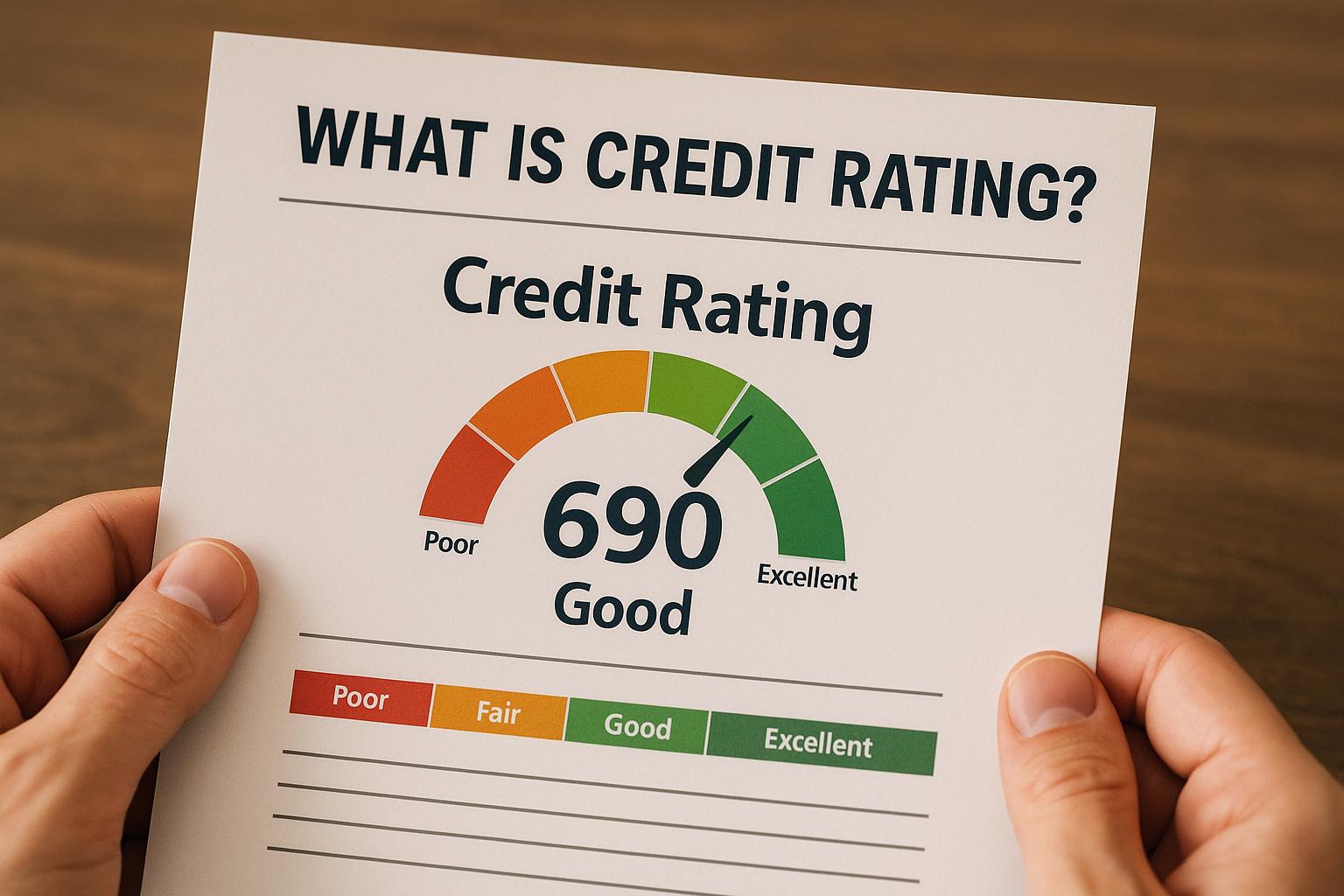
Understanding Credit Ratings
A credit rating is a quantified assessment of the creditworthiness of a borrower, which can be an individual, corporation, or a sovereign nation. These ratings serve as essential tools for investors and financial institutions, helping them gauge the likelihood that a borrower will default on their debt obligations.
The Role of Credit Rating Agencies
Credit rating agencies are indispensable players in the financial markets. Their primary function is to provide independent evaluations of the credit risk associated with borrowers. Moody’s, Standard & Poor’s (S&P), and Fitch Ratings are some of the most prominent agencies in this field. They apply a variety of methodologies to assess and assign credit ratings. Such ratings typically range from high-grade, which indicates low credit risk, to speculative or junk, which suggests a higher credit risk.
Functions of Credit Rating Agencies
Credit rating agencies perform comprehensive analyses of financial health, economic conditions, and market trends. Through rigorous methodologies, they assess factors like an entity’s financial statements, debt levels, cash flow, and market position. These agencies serve as an intermediary between borrowers and investors, translating complex financial data into accessible, standardized ratings. By doing so, they contribute substantially to transparency and efficiency in the financial markets.
Why Credit Ratings Matter
Credit ratings hold significant importance due to a variety of factors:
Investor Confidence: Investors heavily depend on credit ratings to comprehend the risks and potential returns associated with different investment prospects. A favorable credit rating can enhance the investor’s confidence in the borrower’s ability to meet financial obligations.
Borrowing Costs: The credit rating assigned to a borrower can profoundly influence the interest rates they must pay. Generally, a higher credit rating is synonymous with lower borrowing costs. This is because lenders perceive higher-rated borrowers as lower risk, leading to cheaper access to credit.
Market Access: Entities with superior credit ratings enjoy enhanced access to capital markets. This facilitates easier and more cost-effective fundraising. Companies and governments with strong credit ratings can issue bonds and other types of debt with relative ease, attracting a broader range of investors.
The Rating Scale
The credit rating scale utilized by credit rating agencies often ranges from AAA or Aaa, signifying the highest credit quality, to D, indicating default. For instance, Standard & Poor’s employs a scale that comprises categories such as AAA, AA, A, BBB, BB, and below. Each category reflects distinct levels of credit risk, offering investors a clear gauge of the borrower’s financial stability and the likelihood of default.
Characteristics of the Rating Scale
The rating scale is methodically structured and hierarchical in nature. It organizes various degrees of credit risks in a manner that aids investors in making crucial decisions. The scale is generally broken down into investment-grade ratings and speculative-grade ratings. Investment-grade ratings (AAA to BBB) are indicative of lower default risk, whereas speculative-grade ratings (BB and lower) suggest higher risk and potential default.
Limitations of Credit Ratings
While credit ratings provide invaluable insights, they are not without their limitations. It is crucial for investors to be aware of these constraints when evaluating risk:
Subjectivity: The processes and methodologies used by credit rating agencies inherently involve subjective judgments. Different agencies might offer different ratings for the same borrower, leading to discrepancies that could impact investment decisions.
Timeliness: Ratings are not always updated promptly to reflect new financial conditions or market developments. Consequently, investors may occasionally rely on outdated information, affecting their risk assessment and decision-making processes.
Potential Conflicts of Interest: Given that rating agencies are typically compensated by the entities they rate, potential conflicts of interest may arise. This relationship may compromise the objectivity of the ratings, raising concerns about the impartiality of the evaluations provided.
The Evolving Landscape of Credit Ratings
The landscape of credit ratings is continuously evolving. Rating agencies are increasingly adopting technological advances and data analytics tools to refine their methodologies and improve the accuracy of the ratings. The use of machine learning and algorithmic tools is becoming prevalent, which could enhance predictive capabilities and minimize subjectivity.
In conclusion, credit ratings serve as crucial instruments in assessing credit risk. Despite their limitations, they continue to play an influential role in shaping investment strategies and financial decisions across global markets. For those interested in delving deeper into credit ratings and their implications, exploring resources from financial institutions can provide additional insights and tools.
This article was last updated on: August 8, 2026