What is a balance sheet?
- Written by: admin
- Category: Uncategorized
- Published: April 17, 2026
Understanding a Balance Sheet
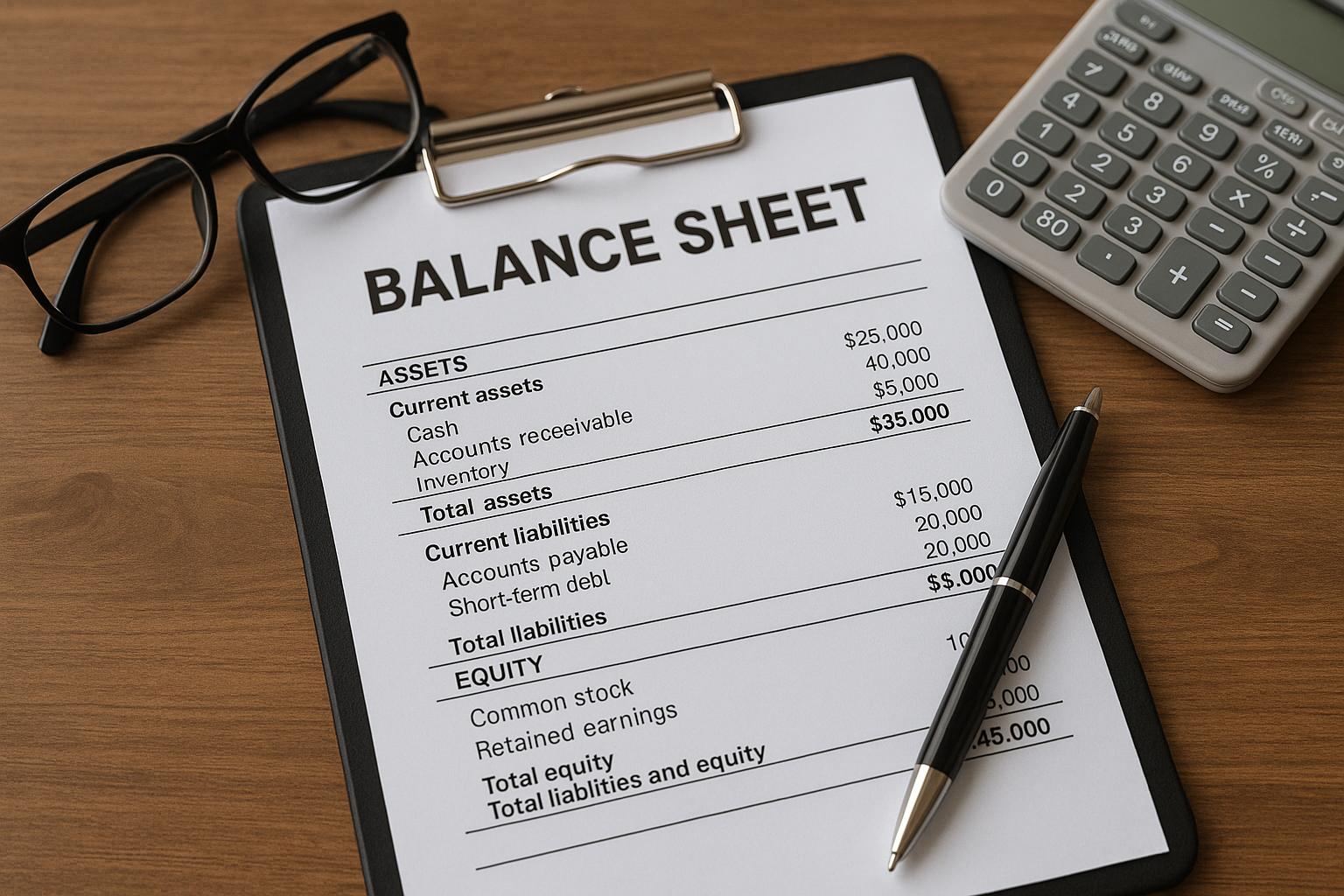
A balance sheet is a pivotal financial statement that offers a clear picture of a company’s financial position at a distinct moment. This document serves as one of the three key financial statements within corporate finance, the others being the income statement and the cash flow statement. Each of these documents provides unique insights into various aspects of a company’s financial health, but the balance sheet specifically highlights the financial condition through its presentation of assets, liabilities, and equity.
The Structure of a Balance Sheet
Analyzing the structure of a balance sheet reveals its segregation into three principal sections: assets, liabilities, and equity. This structure mirrors the accounting equation: Assets = Liabilities + Equity. This fundamental equation underpins the principles of double-entry bookkeeping, ensuring that for every transaction, the accounting records remain balanced and accurately reflect the company’s financial position.
Assets
Assets constitute resources that a company controls and expects to generate future economic benefits. Within a balance sheet, assets are typically classified into two categories for clarity and detailed analysis:
Current Assets: These assets are characterized by their high liquidity, meaning they can be converted into cash or are expected to be used up within a one-year timeframe. Examples of current assets include cash, which provides immediate liquidity; accounts receivable, representing funds owed to the company; and inventory, which is the stock of goods available for sale. These items are essential for the day-to-day operations of a business.
Non-current Assets: Non-current assets are those investments and resources intended for long-term use, usually beyond a year. This category includes tangible assets such as property, plant, and equipment, including buildings and machinery used in operations. Additionally, it encompasses intangible assets like patents and trademarks, which provide competitive advantages and contribute to the company’s value over time. The distinction between these asset types helps stakeholders understand the time horizon over which resources will be utilized and provide revenue.
Liabilities
Liabilities on a balance sheet represent the obligations a company must fulfill in the future. They indicate the financial responsibilities that arise from past transactions. Like assets, liabilities are divided into two categories to clarify their maturity:
Current Liabilities: These include obligations that must be settled within a year. Examples are accounts payable, which reflect the company’s short-term IOUs for goods and services acquired; short-term loans, which are borrowings due within a short duration; and accrued expenses, which are costs incurred but not yet paid. Monitoring current liabilities helps in assessing the liquidity of the company and its ability to meet short-term commitments.
Non-current Liabilities: In contrast, non-current liabilities are obligations due beyond one year. This category includes long-term debt like bonds payable, which are structured to be settled over multiple years, deferred tax liabilities resulting from timing differences in tax payments, and pension obligations, representing the future commitments to retired employees. The understanding of non-current liabilities provides insights into the long-term financial strategy and stability of the business.
Equity
Equity, sometimes known as shareholder’s or owner’s equity, represents the residual claim on the assets of an entity after all liabilities have been deducted. This financial segment offers a glimpse into the shareholders’ interest in the company and the financial cushion available beyond obligations. Equity comprises several components:
– Common Stock: Represents the basic ownership share in a company, offering voting rights and a proportional claim on profits or dividends.
– Preferred Stock: A class of ownership with preferential rights over common stock, often in dividend distributions or during asset liquidation.
– Additional Paid-in Capital: These are capital inflows beyond the par value of stock, reflecting the extra amounts investors pay over the nominal stock price during issuance.
– Retained Earnings: Accumulated profits that are reinvested in the business or set aside for future obligations, rather than being distributed as dividends.
– Treasury Stock: Represents shares repurchased by the company, reducing the amount of outstanding stock in the open market and often supporting stock price.
Examining these components of equity provides clarity on the company’s financial strategy, especially concerning reinvestment versus shareholder returns.
The Importance of a Balance Sheet
The balance sheet holds critical importance for various stakeholders in a business environment. For investors and shareholders, it offers a detailed view of a company’s liquidity status and overall financial health, enabling an informed evaluation of risk and return potential. By analyzing assets relative to liabilities, investors can assess whether a business is a safe investment or if there is potential for growth.
For managers, a balance sheet is a strategic tool that aids in making informed internal decisions. By understanding available financial resources, managers can allocate capital effectively, pursue viable investment opportunities, and manage daily operations without jeopardizing financial stability. It promotes efficient resource management and highlights areas that might need improvement or adjustment.
Creditors and lenders turn to the balance sheet to determine the security of their financial involvement with the company. It helps them evaluate the ability of a company to repay loans, make timely interest payments, and fulfill other financial commitments. The leverage levels visible on a balance sheet often guide lenders in dictating terms of credit.
Conclusion
Grasping the nuances of a balance sheet is crucial for anyone engaged in finance or corporate management. This comprehensive snapshot into a company’s financial status equips stakeholders with the knowledge required to align decisions with their financial goals. Whether it’s for investment, strategic planning, or credit assessment, understanding how each element of the balance sheet fits into the broader financial picture elevates the quality of financial decisions. For those pursuing further insights into financial statements, there are ample resources available to expand on these foundational concepts.
This article was last updated on: April 17, 2026