What is a bull market?
- Written by: admin
- Category: Uncategorized
- Published: May 29, 2026
Understanding a Bull Market
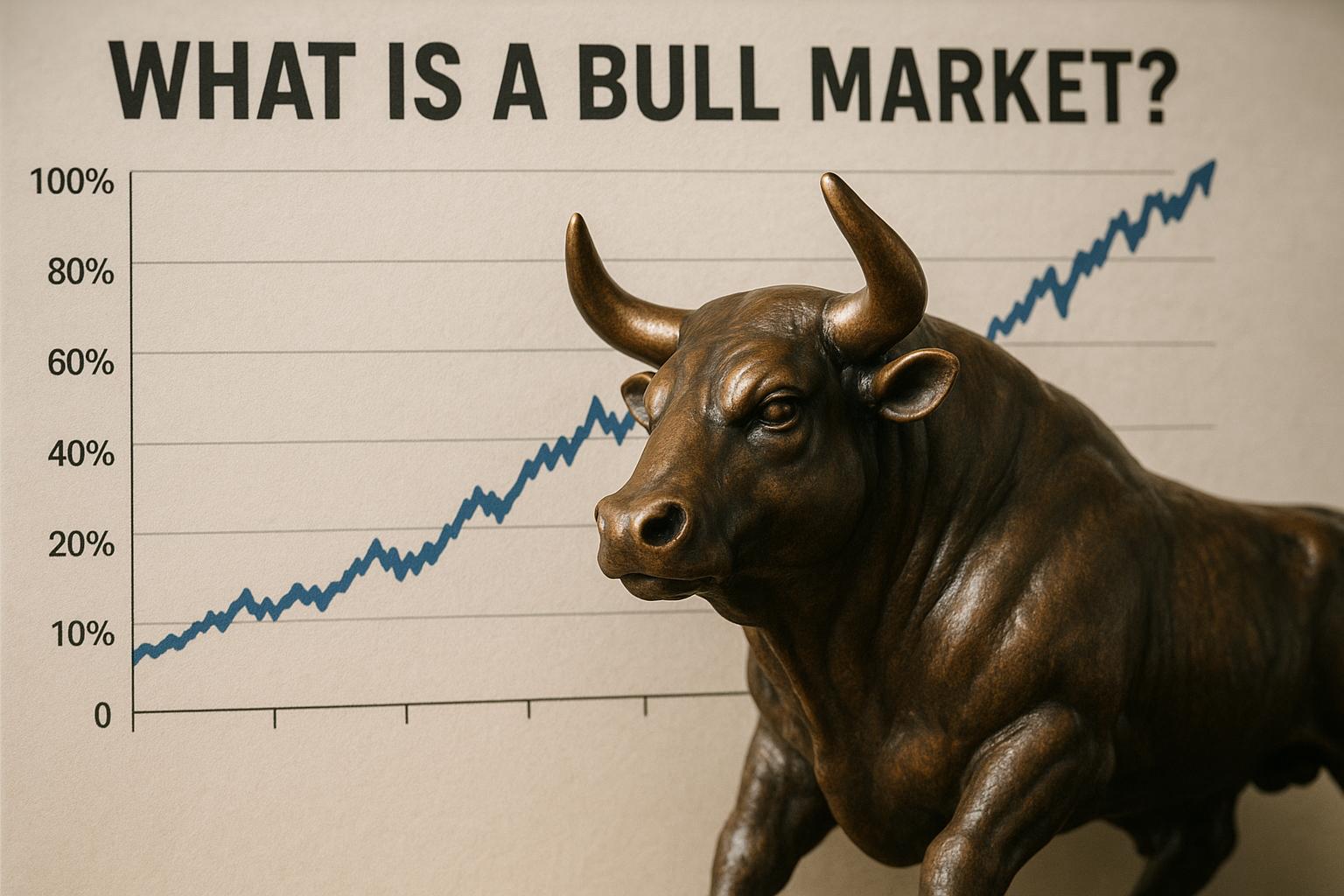
A bull market refers to a financial market condition where prices are rising or are expected to rise. This term is most frequently used in reference to the stock market but can be applied to any traded asset, including bonds, currencies, and commodities. The term “bull” signifies a market that is experiencing a rise, characterized by a sustained increase in the market share prices.
Characteristics of a Bull Market
A bull market is often characterized by rising investor confidence and expectations of future performance. This sentiment drives stock prices higher, and a noteworthy indicator is a general increase in the market by 20% or more following a decline of 20% and before a significant drop occurs again.
Strong Economy: A bull market typically correlates with a robust or strengthening economy. Indicators of this strength include high GDP growth, low unemployment rates, and enhanced corporate profits. These economic conditions create an environment where businesses thrive, further boosting investor confidence and market performance.
Investor Optimism: Increased investor confidence frequently results in a heightened demand for stocks, which in turn fuels price increases. During bull markets, investors are often more inclined to engage in extensive trading activities, driven by the anticipation of continued price appreciation. This optimism typically manifests through higher market valuations and increased capital flows into equities and other tradable assets.
Factors Fueling Bull Markets
The presence of a bull market is not solely due to economic strength; several factors can contribute to its emergence and sustainability.
Monetary Policy: Central banks often play a crucial role in nurturing bull markets through accommodative monetary policies. By maintaining low-interest rates and implementing quantitative easing measures, central banks create favorable conditions for borrowing and investing. This monetary stimulus injects liquidity into the financial system, encouraging spending and investment.
Technological Advancements: Technological innovations can also drive bull markets by ushering in new industries and transforming existing ones. Advancements in sectors like information technology, renewable energy, and biotechnology have historically spurred significant market growth. As businesses adopt cutting-edge technologies, productivity gains and economic expansion follow suit, attracting more investors to the market.
Duration of Bull Markets
Bull markets, though intermittent, can last for varying lengths, ranging from several months to several years. Market conditions, investor sentiment, and external factors such as economic crises all influence their duration.
Historical analysis reveals that the longest recorded bull market spanned from March 2009 to February 2020, marking an impressive 11-year period of sustained market growth. This particular bull run was interrupted by the onset of the COVID-19 pandemic, which resulted in a temporary market downturn.
Interplay with Market Corrections
Even within a bull market, temporary corrections or downturns can occur. These are often seen as brief, periodic declines in market prices that are part of a larger upward trend. Such corrections are typically influenced by geopolitical tensions, economic data releases, or sector-specific events.
Investors should remain aware that these corrections do not necessarily indicate the end of a bull market. Instead, they are often viewed as opportunities for new investors to enter the market or for existing investors to reinforce their positions.
Examples of Bull Markets
Multiple historical events serve as archetypes of bull markets, illustrating varying circumstances that can foster such conditions.
One classic example is the post-World War II economic expansion of the 1950s. During this period, marked by significant industrial growth and technological development, markets flourished amid rising consumer demand and increased government spending.
More recently, the bull market from 2009 to 2020 is often cited as one of the most noteworthy, propelled by technological advancements, accommodative monetary policy, and improving global economic conditions. This era saw significant innovations in technology and a marked increase in smartphone adoption, ecommerce, and digital industries.
Investing Strategies in a Bull Market
In a bull market, investors typically adopt more aggressive strategies to exploit rising prices. Two common approaches include holding long positions and engaging in margin trading.
Holding Long Positions: Investors might purchase and hold stocks over an extended period, anticipating that these assets will increase in value over time. This strategy aligns with the broader market trend and can yield substantial returns if executed judiciously.
Increased Margin Trading: Some investors opt to use borrowed funds to purchase stocks, leveraging their investments to amplify potential gains. Margin trading can be particularly advantageous during bull markets when the likelihood of asset appreciation is high.
While these strategies can enhance returns, it’s crucial for investors to remain cognizant of the inherent risks. Despite the potential for gains, markets may eventually experience corrections, leading to possible losses. Hence, prudent risk management and diversification are essential elements of any successful investment approach.
Conclusion
A bull market signifies a period of growth and optimism within financial markets. By understanding its characteristics and potential duration, investors can better navigate these conditions, balancing ambition with prudence. As market trends fluctuate, staying informed about economic indicators, monetary policy, and technological developments is vital for making well-informed investment decisions.
For those seeking further insights into market conditions and investing, financial resources such as Investopedia offer comprehensive information on a wide array of topics, empowering investors to make educated choices in the dynamic world of finance.
This article was last updated on: May 29, 2026